
Seasonal Pasture Management for Small UK Yards
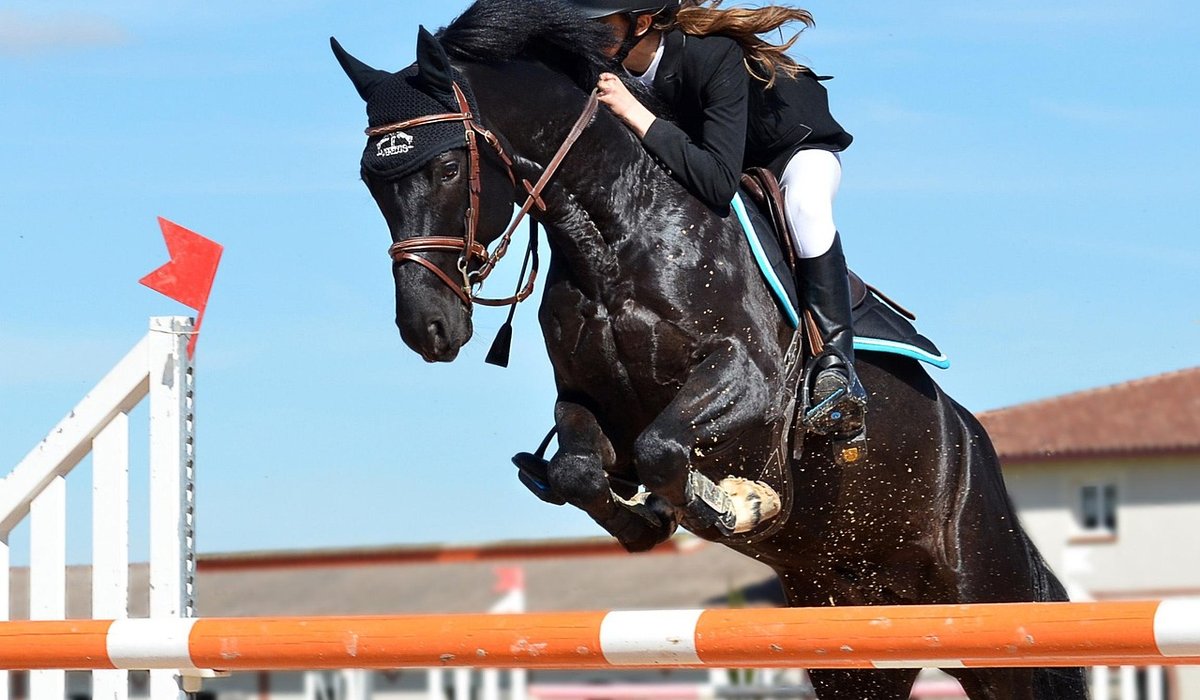
Why Your Core Is the Real Seat Aid
Ask any instructor what separates a rider who looks effortless from one who looks busy, and the answer rarely involves the hands. It comes down to the trunk: the deep muscles around the spine, pelvis and ribcage that hold you steady while the horse moves underneath you. A strong core doesn't just look tidy in the dressage arena. It keeps your upper body quiet over a cross-pole, allows your leg to stay long and draped, and means your rein contact doesn't wobble every time your horse lands after a fence.
The good news is that rider fitness is not built in a gym. Most of what you need can be done on a rug in your front room in twenty minutes, three times a week. No specialist equipment, no membership fees, and no excuses about the weather.
A Simple Test: How Stable Are You?
Before you start training, find out where you actually are. Try this at home. Kneel on all fours with a neutral spine, then lift one arm and the opposite leg out straight, holding for twenty seconds. If your hips rock sideways like a gate in a gale, your deep stabilisers are not yet doing their job.
Then try the same test sitting on a dining chair with no back support. Lift one foot off the floor and hold for thirty seconds. If you tip to one side or find yourself holding your breath, that's the exact instability your horse feels when you ride a twenty-metre circle. Note which side is worse — almost everyone has one — and give that side an extra set.
The Exercises: Six Moves, No Kit Needed
- Dead bug. Lie on your back, knees over hips, shins parallel to the floor, arms pointing at the ceiling. Press your lower back gently into the floor and keep it there. Slowly lower your right arm overhead and your left leg towards the floor, then return. That's one rep. Do ten on each side, two sets. If your back arches, shorten the range.
- Bird dog. From all fours, extend one arm forward and the opposite leg back, keeping the pelvis level as though balancing a mug of tea on your lower back. Hold for five seconds and swap. Ten reps each side.
- Front plank. Elbows under shoulders, body in one line from head to heels. Start with twenty seconds and build towards a minute. Quality beats duration every time — a sagging two-minute plank teaches your body nothing useful.
- Side plank. This is the one that transforms your ability to hold a canter transition without collapsing through the inside hip. Beginners can rest the bottom knee on the floor. Hold twenty to thirty seconds per side.
- Glute bridge. Lie on your back, feet flat and hip-width apart, and lift the hips until your body forms a straight line from knees to shoulders. Squeeze at the top for two seconds. Fifteen reps, two sets. Strong glutes stop your lower leg creeping backwards when you close your leg around a horse.
- Standing stirrup drill. Stand with feet hip-width apart, soften your knees, and rise up onto the balls of your feet while keeping your ribs stacked over your pelvis. Hold ten seconds. This mimics the balance demand of rising trot and trains the ankle, calf and trunk together.
Breathing, Posture and the Pelvic Floor
Core strength is not the same as holding your breath and bracing. Riders who grip with the abdominals often end up with a locked lower back and hands that bounce. Practise breathing into the sides of your ribcage while keeping a light engagement through the lower belly. A simple drill: sit tall, place your hands on your lower ribs, and breathe in for four counts, feeling the ribs widen sideways rather than the shoulders lift. Breathe out for six.
The pelvic floor is part of this team too, particularly for riders who have had children or who jump regularly. A gentle lift and release, done ten times slowly, is far more useful than a hard squeeze. Think of it as part of your warm-up rather than a separate workout.
Building It Into Your Week
Three sessions of fifteen to twenty minutes is plenty. A sensible pattern is Monday, Wednesday and Friday, ideally on days you're not riding hard. Always warm up with a few minutes of walking and shoulder rolls first, and finish with two minutes of gentle stretching for the hip flexors and hamstrings, which shorten quickly in riders.
If you ride five or six days a week, you may only need two sessions. If you're returning from injury or haven't trained in years, start with the dead bug, glute bridge and side plank on the knees, and add one exercise a fortnight.
Common Mistakes to Avoid
Holding your breath is the most frequent error, followed closely by chasing long planks at the expense of alignment. If you can't keep your ribs stacked over your hips, stop the set. Soreness in the lower back rather than the abdomen usually means the hips are doing the work — reduce the range and slow down.
Finally, don't treat this as a winter-only project. Twenty minutes twice a week through the season keeps the stability you've built. Your horse will notice the difference long before anyone at the yard comments on your position, and you'll notice it in your confidence the next time you're heading towards a fence with a slightly strong canter underneath you.
LEAVE A COMMENT