
Gridwork Exercises to Improve Showjumping Rhythm and Confidence
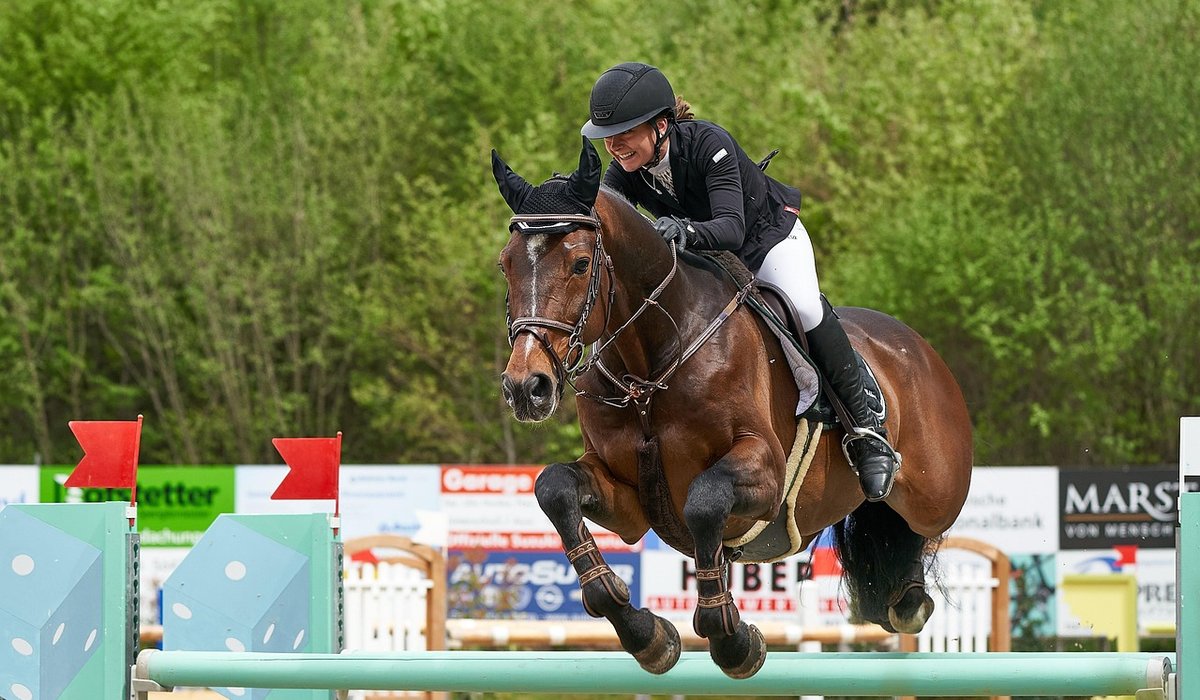
Show mornings have a habit of running away with you. The alarm goes off earlier than you would like, the horse has rolled in something unspeakable, and suddenly you are hunting for a missing hoof pick while your class is being called. The single best defence against that chaos is a horsebox that was packed properly the night before. A well-stocked, well-organised box means you arrive calm, your horse arrives comfortable, and you can actually enjoy the day instead of patching together equipment from the boot of the car.
What follows is a practical packing checklist built around the way a show day actually unfolds. Adapt it to your own horse, your discipline and the length of your journey, but treat it as a starting point rather than something to reinvent at 5am.
Start With a Permanent Kit That Never Leaves the Box
The most useful habit you can develop is keeping a core set of items permanently in the horsebox, so they are never forgotten. Duplicates of the cheap, easily lost things are worth their weight in gold.
- Spare headcollar and lead rope — one for travelling, one for tying up at the box.
- Haynets — at least two, filled and ready to hang.
- Water containers — a large jerry can plus a bucket your horse actually drinks from at home.
- Basic first aid kit for horse and human, including wound gel, vet wrap, scissors and plasters.
- Broom, shavings fork and a bin bag — you will make a mess, and nobody wants to travel home in it.
- Spare bailer twine, a knife and a torch — small items that solve disproportionately large problems.
Check this permanent kit at the start of the season and again mid-summer, replacing anything used up or broken.
The Grooming Kit: Pack for the Horse You Will Actually Have
You will not be leaving the yard with a freshly bathed horse and arriving with the same clean animal. Pack for the reality of a dusty, sweaty, possibly muddy horse who needs to look smart in twenty minutes.
- Body brush, dandy brush and curry comb — the everyday trio.
- Mane and tail comb, plus a water brush for tidying up the mane and tail on arrival.
- Hoof pick and hoof oil with its own brush — oil last, once the hooves are dry and clean.
- Sponges — separate ones for eyes, nose and dock, kept in a small bag so they stay clean.
- Stain remover or chalk for those inevitable stable stains on grey legs.
- Plaiting kit — bands, needle and thread, and a small spray bottle of water if you plait.
- Sweat scraper and a light cooler rug for a horse who has worked hard and needs to dry off before travelling home.
Keep the grooming kit in a lidded box or a hanging bag with pockets. Rummaging through a loose pile of brushes while your class is being called is a special kind of misery.
Tack, Rugs and the Spares That Save the Day
Tack should be cleaned, checked and packed the night before. Run your fingers along every strap, check stitching at stress points and make sure the bit is spotless.
- Saddle, girth and numnah — plus a spare girth if you have one that fits.
- Bridle, with a spare reins or a spare bridle if you are travelling far.
- Martingale, breastplate or any competition-specific kit you use.
- Boots or bandages for the warm-up and for travelling, plus a spare set of boots.
- Travel rug or sheet, and a cooler for afterwards.
- Tail guard and poll guard if your horse is a fidget in transit.
Hang the bridle on a hook rather than folding it into a bag, and lay the saddle somewhere it will not slide around on the journey. If your horse wears a rug travelling, have the next one ready and accessible so you are not unpacking everything at the venue.
Feed, Hay and Water: Keep It Boringly Consistent
Changing feed or water on show day is a reliable route to a unsettled horse. Take what he is used to from home, in the amounts he normally gets.
- Hay or haylage — enough for the journey, the day and the return, plus a little extra in case you are held up.
- Hard feed — pre-bagged in individual portions if he is fed at the show, with a scoop and bowl.
- Water from home — at least one large container, refilled before you leave.
- Bucket that he drinks from happily, plus a spare.
- Treats — useful for rewarding a calm moment and for making new surroundings less alarming.
Offer water regularly through the day rather than only at the end, especially in warm weather. A horse who will not drink away from home is a genuine welfare concern, so bringing familiar water is not fussiness — it is good management.
Rider Clothing and Personal Kit
Pack your own kit as carefully as your horse's, and lay it out in the order you will put it on. Nothing derails a morning like discovering your stock pin is at home.
- Competition jacket, shirt, tie or stock, and breeches or jodhpurs.
- Boots or jodhpur boots and gaiters, plus comfortable footwear for around the box.
- Hat — current standard, correct fit, no excuses.
- Gloves — at least two pairs, because one always disappears.
- Body protector and back number holder if your discipline requires them.
- Waterproof jacket, spare socks and a change of clothes — British weather does not negotiate.
- Sun cream, hat, water bottle and snacks for you, plus any medication you need.
A small wash bag with hair ties, safety pins and a mirror is worth keeping in the box permanently. So is a chair, because you will spend a great deal of the day standing around.
Loading the Box and Doing a Final Walk-Round
Load heavy items low and forward, and keep the ramp area clear. Everything should be secured so nothing slides into your horse in transit. Once loaded, do a slow walk around the outside of the box: ramp secured, partitions locked, tyres and lights checked, and the horse tied with a quick-release knot and enough room to lower his head.
Finally, write a short list and tape it inside the box door. It takes five minutes to make and it will save you a dozen panicked mornings. Packing well is not about being fussy — it is simply what lets you and your horse start the day on the front foot.
LEAVE A COMMENT