
Improving Dressage Geometry in a Small Arena
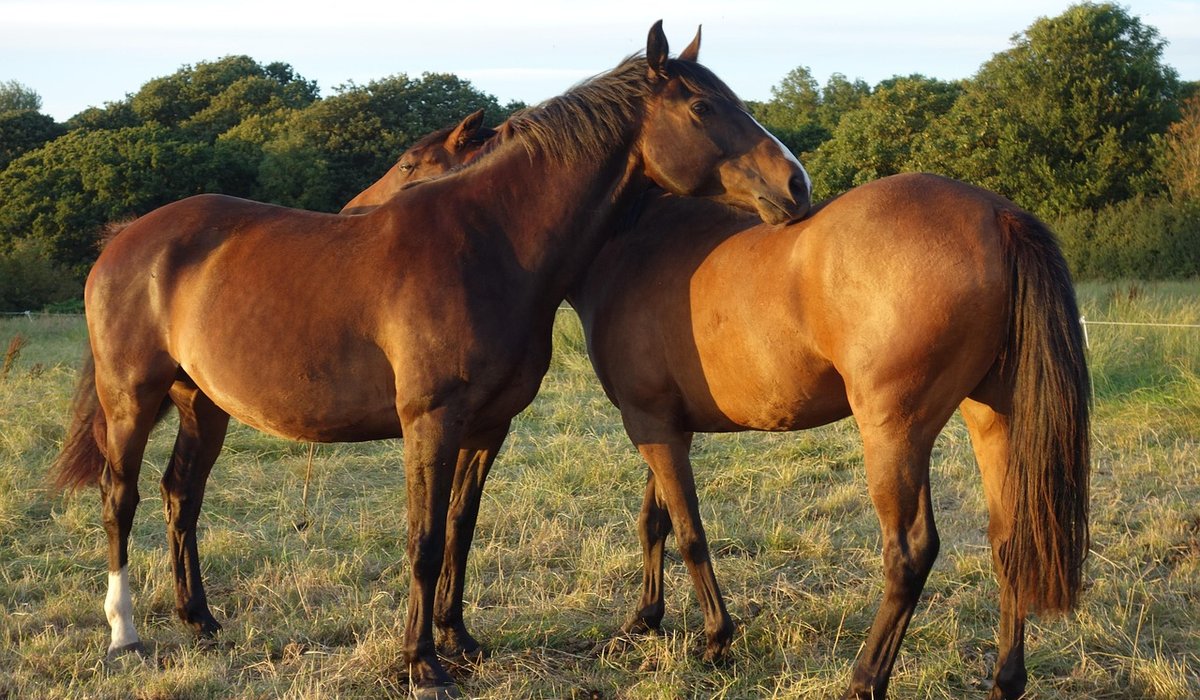
Hedgerows: The Backbone of a Wildlife-Friendly Yard
A good hedgerow does far more than mark a boundary. On an equestrian property it is a windbreak, a shade belt, a larder for birds, and a corridor for small mammals. A mixed native hedge of hawthorn, blackthorn, hazel, field maple, dog rose and honeysuckle can support dozens of insect species, nesting birds such as yellowhammers and dunnocks, and bats that hunt along its sheltered edge. For horses, it cuts wind chill and helps dry out poached gateways when it grows thick at the base.
The key is to see the hedge as a working habitat rather than a tidy line. Trimmed to the same height every year, a hedge becomes a thin, leggy fence with little wildlife value. An A-shaped hedge, wide at the base and tapering upwards, lets light reach the ground and gives cover from soil level upwards.
Managing Hedges Around Horses
Horses and hedges can coexist, but they need a little separation. Left to browse, horses will strip bark, break branches, and nibble new growth down to the base. That doesn't just spoil the hedge; it can expose horses to poisonous plants. Yew, laurel, oak acorns and sycamore seeds are all risky, and a hungry horse may sample them if the hedge is within reach.
Run a temporary electric fence or post-and-rail barrier about a metre out from the hedge, especially in autumn and winter when grass is short. This protects the hedge and keeps horses safe. If you need to fill gaps, plant native species rather than quick-growing conifers. Plant bare-root whips in autumn; a mulch mat or tree guard helps against trampling.
- Cut in rotation: trim one side or one section each year, leaving some hedges untouched until late winter. Avoid cutting between March and August when birds are nesting.
- Leave the berries: ivy, hawthorn and blackthorn berries feed thrushes, redwings and fieldfares through the coldest months.
- Never spray the base: herbicide strips remove the wildflowers and insects that make a hedge worth having.
Ponds, Ditches and Damp Corners
A pond is one of the richest habitats you can offer, even if it is no bigger than a pony paddock's corner. Frogs, toads, newts, dragonflies and damselflies will find it within a season or two. But a pond with unrestricted horse access soon becomes a muddy, nutrient-rich hollow with little life in it. Fence the pond off and provide a trough nearby instead.
If horses must share the area, create a shallow, gently sloping edge on one side and fence the rest. Native plants such as marsh marigold, water mint and yellow iris will establish themselves if the water is clean and sunlight reaches the surface. Avoid introducing fish, which eat amphibian eggs and stir up sediment.
Ditches and wet corners deserve the same care. Clean only one section a year in late autumn, leaving the rest as refuge. Never let slurry, muck run-off or fertiliser reach a pond or ditch; nutrient-rich water encourages algae and starves the water of oxygen.
Rough Margins and Field Edges
The scruffy strip around a field is often the most valuable part of it. A rough margin of tussocky grass, wildflowers and dead stems gives cover to voles, shrews, hedgehogs and nesting birds. It also supports the bees, butterflies and moths that pollinate hedgerow plants and provide food for bats and birds.
Leave a margin of at least one to two metres beside hedges and fences. Cut it on a two- or three-year rotation, in late summer or early autumn, and remove the cuttings so the soil does not become too rich. This keeps wildflowers competitive against rank grass. Where ragwort appears, pull or spot-treat it before it seeds, but don't blanket-spray the margin; that removes the good plants along with the bad.
- Keep some bare ground: solitary bees and basking insects need warm, open patches.
- Buffer watercourses: a rough margin traps soil and nutrients before they reach a ditch or pond.
Grazing, Poaching and the Balance
Good wildlife management on an equestrian property is really good grassland management. Overstocking poaches wet ground, compacts soil and sends nutrients into ditches. Rotational grazing, resting fields and keeping horses off saturated ground in winter all help. So does placing troughs, hay feeders and gateways away from hedges and water features.
Dung is part of the picture. Removing it from grazing areas reduces worm burden, but leaving some in rough corners supports dung beetles and the birds that feed on them. Every feature works together: hedgerows shelter insects, insects feed birds and bats, rough margins support small mammals, and ponds give amphibians a place to breed.
A Year-Round Rhythm
In spring, walk your boundaries and check for nesting birds before any cutting or fencing work. In summer, keep margins uncut and deal with ragwort early. Autumn is for planting hedges, checking pond levels and clearing just one section of ditch. Winter is the time for hedge-laying, coppicing and planning next year's rotation.
None of this requires a large acreage or a lot of expense. A wider hedge base, a fenced pond, a rough margin left to seed and a little patience will bring birdsong, butterflies and healthier pasture. Your horses benefit too: better drainage, natural shelter and fewer flies. Manage sensitively, and the hedgerows will repay you for years.
LEAVE A COMMENT